A curated selection of unique, niche, and fascinating websites in both Polish and English.
Welcome to the Cogimator.net Web Directory – a curated space for exploring unique and often overlooked websites. This is not just another list of popular platforms, but a hand-picked collection of projects that stand out through originality, design, storytelling, or unexpected utility.
This web directory features experimental interactions, visual gems, educational treasures, and cultural initiatives from around the world – all documented with descriptions, tags, and direct links. The directory is bilingual, offering separate sections for Polish and English language content.
Check back often – new discoveries are added regularly.
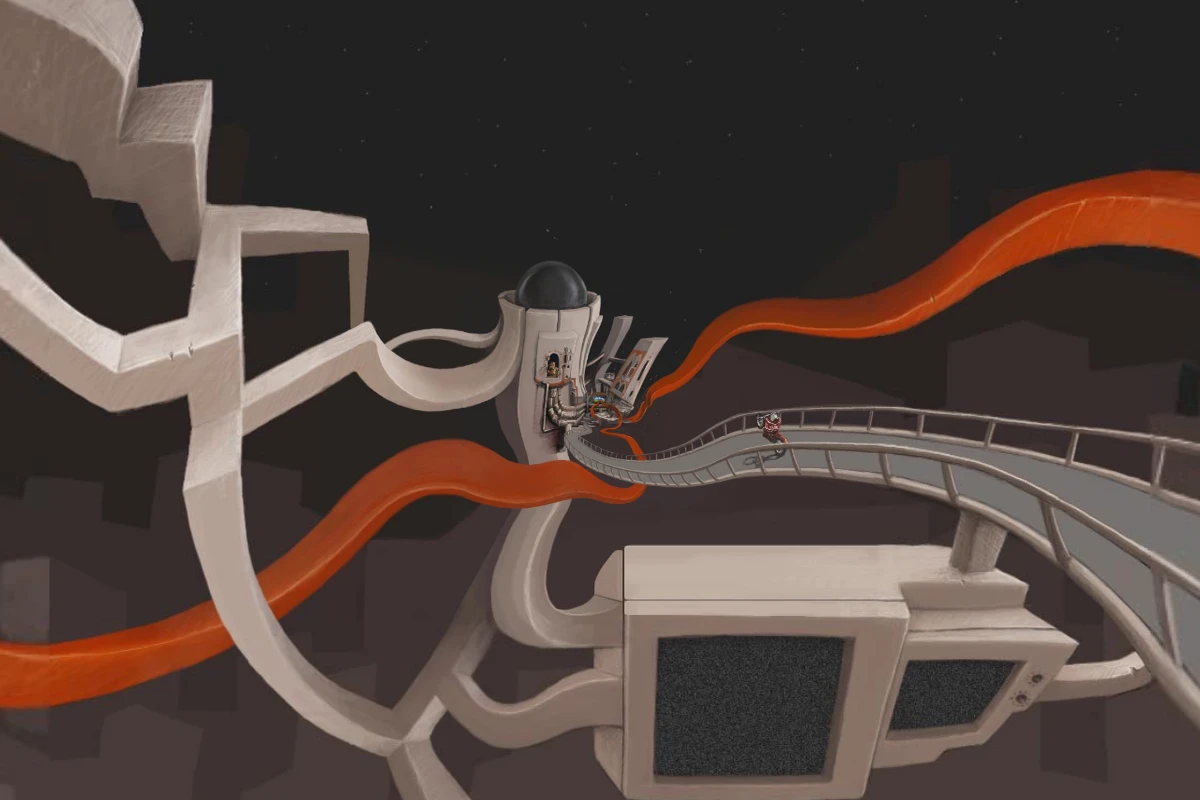
The Zoomquilt stands as one of the internet’s most mesmerizing early digital art experiments, creating an infinite zoom experience that feels both hypnotic and profoundly collaborative. Born in 2004 from the vision of Nikolaus Baumgarten, this project emerged from the early 2000s scene of collaborative online art-making, where artists would contribute individual tiles to evolving patchwork paintings in a process reminiscent of the surrealist drawing game Cadavre Exquis.
The magic lies in its seamless construction: fourteen illustrators each contributed segments that had to blend perfectly with their neighbors’ work, creating visual transitions that flow from one artist’s imagination to another’s. As you navigate with simple up and down arrow keys, you’re taken on a journey through interconnected worlds that range from mechanical and industrial to organic and fantastical. The animation creates the illusion of endless depth, where each zoom level reveals new details and artistic interpretations while maintaining perfect visual continuity.
...
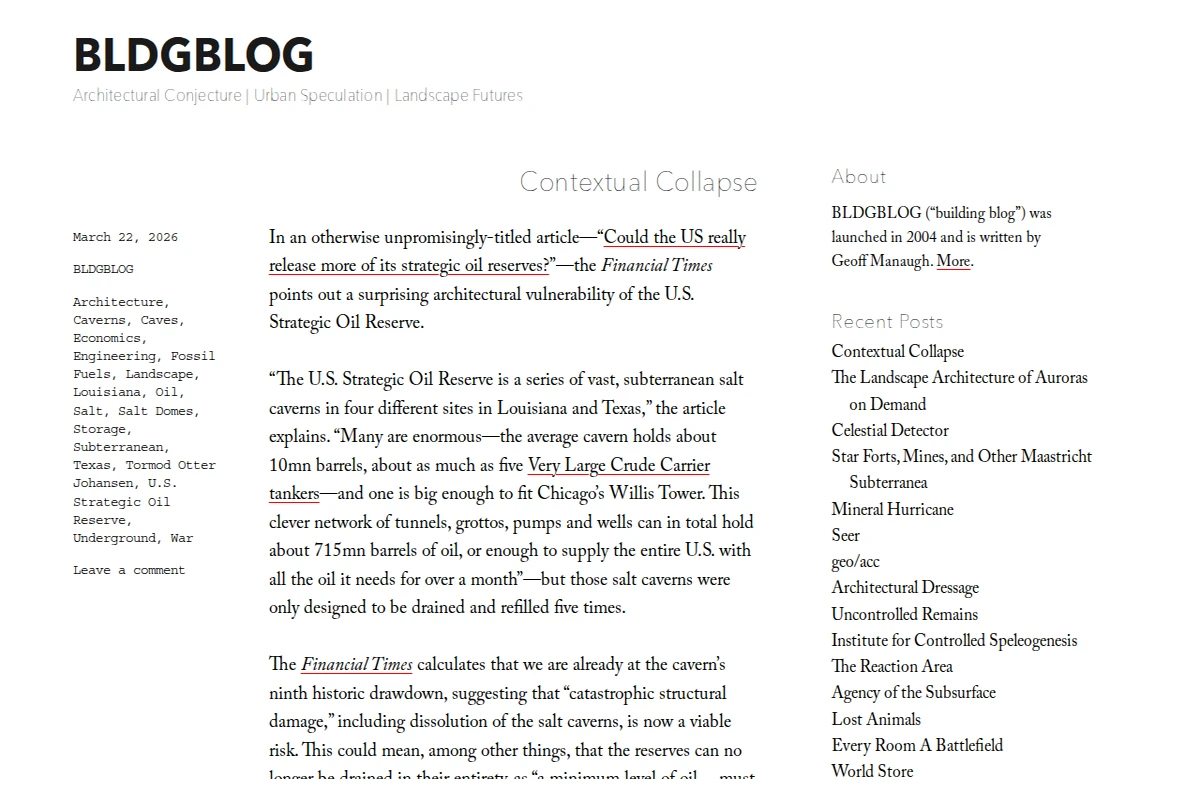
BLDGBLOG has been one of the most distinctive voices in architectural discourse since 2004, when Geoff Manaugh launched this singular platform for “Architectural Conjecture, Urban Speculation, and Landscape Futures.” What sets BLDGBLOG apart is its ability to find architectural significance in the most unexpected places, from underground oil reserves to artificial aurora experiments.
The blog’s recent post on “Contextual Collapse” exemplifies this approach perfectly. Manaugh takes a Financial Times article about strategic oil reserves and transforms it into a meditation on architectural vulnerability and subterranean infrastructure. The U.S. Strategic Oil Reserve becomes not just a utilitarian storage system, but a vast underground architecture of salt caverns that could someday simply collapse under their own geological limitations.
...
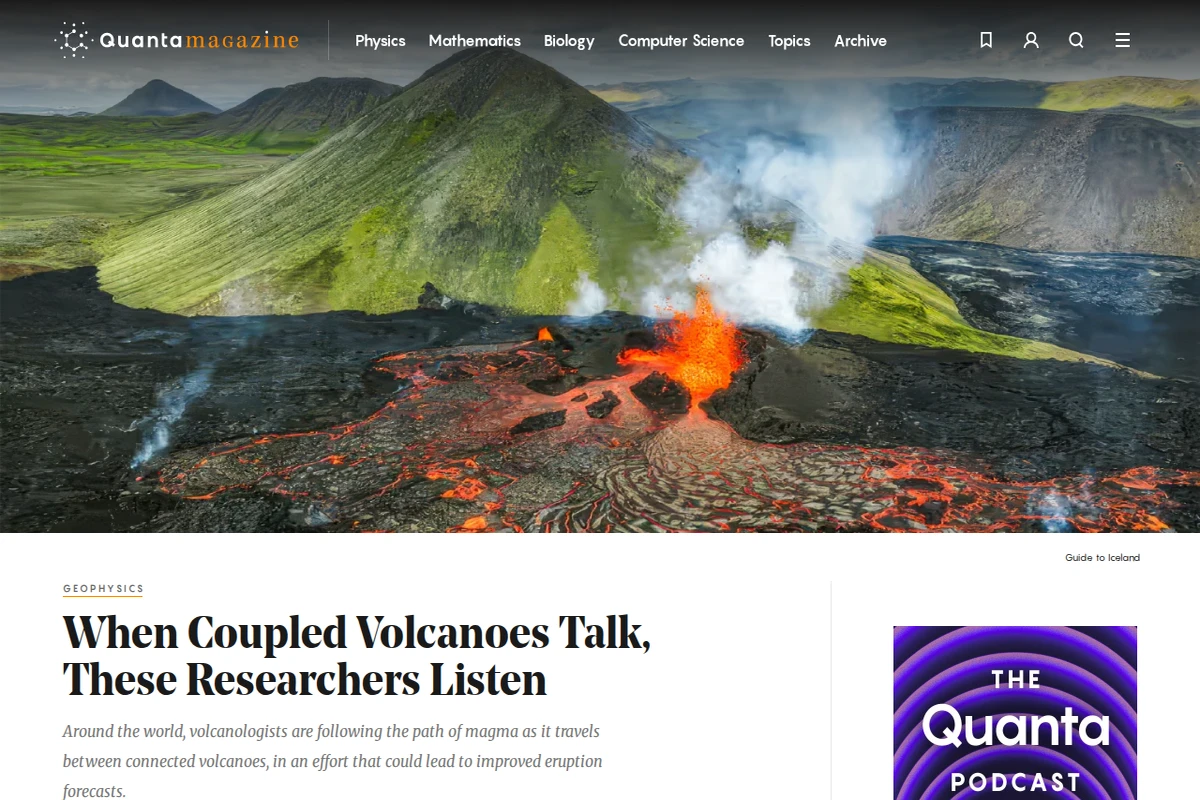
Quanta Magazine stands as one of the most respected names in science journalism, delivering sophisticated yet accessible coverage of cutting-edge research across physics, mathematics, biology, and computer science. Published by the Simons Foundation, this digital publication has built a reputation for taking the time to properly contextualize complex scientific discoveries rather than chasing daily news cycles.
What sets Quanta apart is its commitment to deep, narrative-driven reporting that helps readers understand not just what scientists have discovered, but why it matters and how it fits into the broader landscape of human knowledge. Whether exploring the latest developments in string theory, the mathematics behind bell curves, or the mechanics of volcanic eruptions, the magazine consistently produces articles that respect both the complexity of the subject matter and the intelligence of the reader.
...
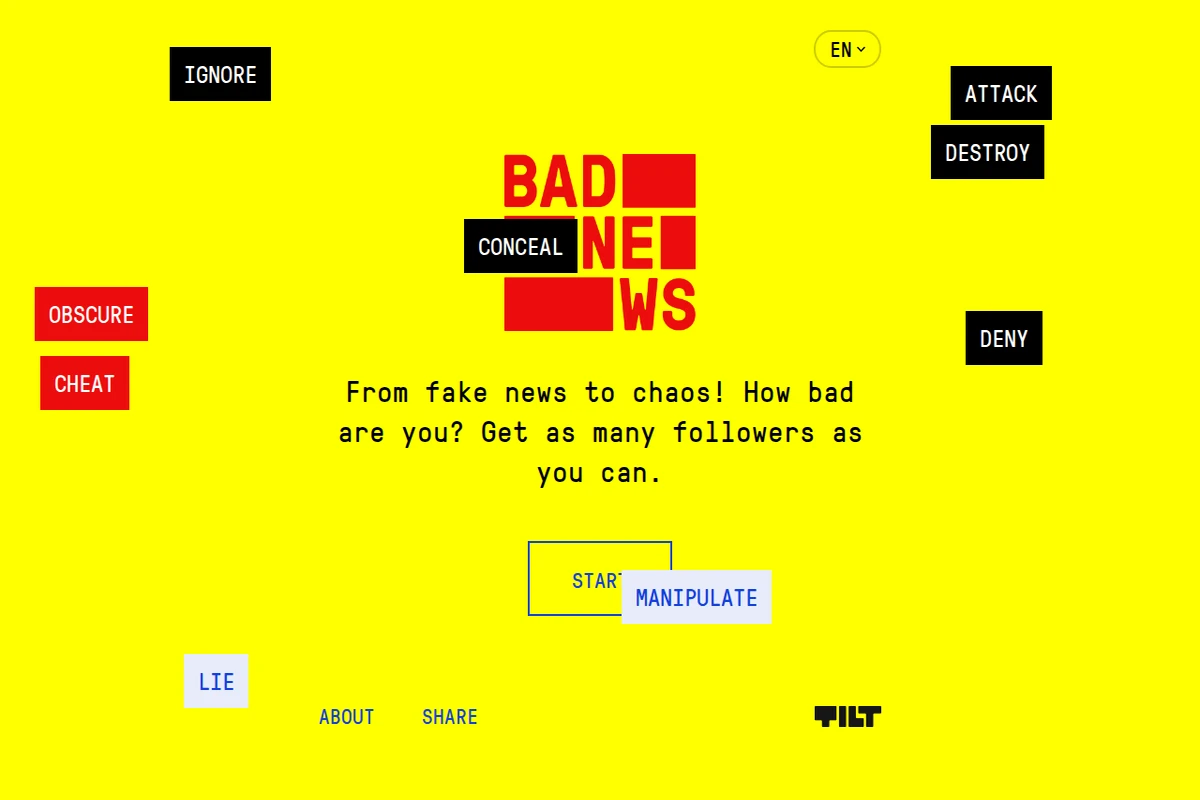
Bad News presents a fascinating paradox: to understand how misinformation works, you must first learn to create it. This interactive game puts players in the role of a fake news producer, challenging them to build a following through manipulation, lies, and conspiracy theories.
Developed as an educational tool for media literacy, the game reveals the psychological mechanisms behind viral misinformation. Players navigate through scenarios involving polarization, emotional manipulation, and the exploitation of confirmation bias. The experience is both unsettling and enlightening as you discover how easily public opinion can be swayed through strategic deception.
...
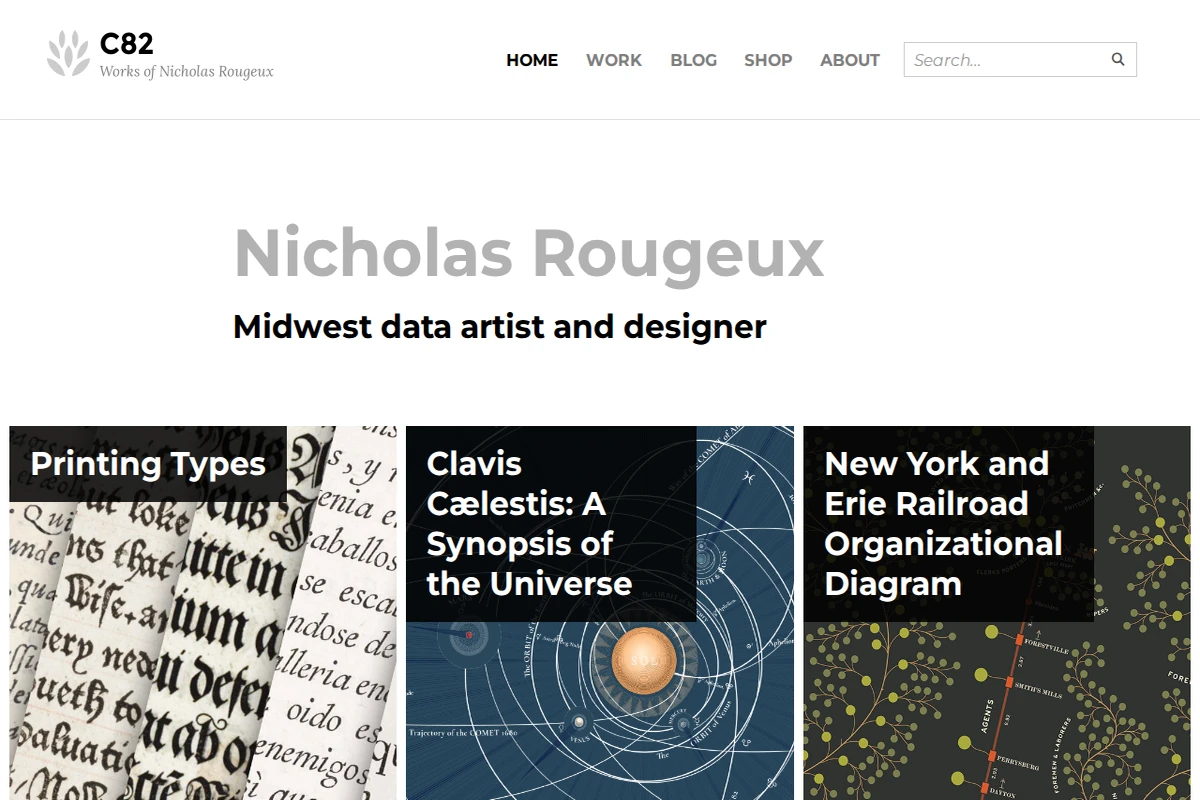
C82: Nicholas Rougeux's Data Art & Historical Recreations
Nicholas Rougeux has carved out a fascinating niche at the intersection of data visualization and historical preservation. This Midwest-based artist specializes in creating meticulous digital recreations of vintage scientific illustrations, organizational charts, and educational materials that might otherwise be forgotten to time.
His portfolio showcases an impressive range of projects, from the intricate astronomical diagrams of Thomas Wright’s 1742 Clavis Cælestis to the elaborate typography specimens in Daniel Updike’s printing guide. Each project represents months of painstaking research and reconstruction work. Rougeux doesn’t simply scan or photograph these historical documents—he rebuilds them from scratch, often spending considerable time hunting down source materials and understanding their original context.
...
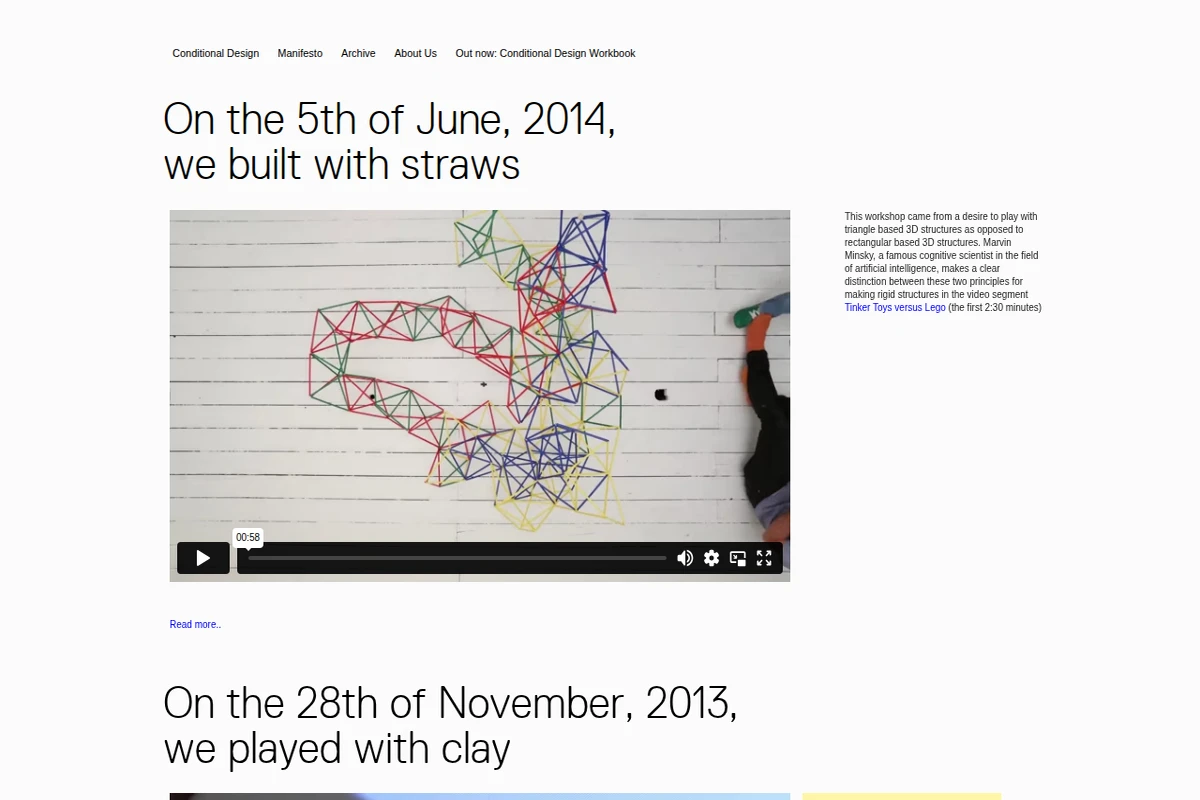
Conditional Design - Creative Rules for Collaborative Making
Conditional Design represents a fascinating intersection of game design, art, and collaborative creation. Founded by Luna Maurer, Jonathan Puckey, Roel Wouters, and Edo Paulus, this collective has developed a unique methodology where predetermined rules and conditions guide groups toward unexpected creative outcomes.
The website serves as both archive and manifesto for their innovative approach, showcasing workshops where participants build with straws, sculpt with clay under time constraints, or create floor drawings through book purchases. Each project demonstrates how simple rules can generate complex, beautiful results when filtered through human interpretation and collaboration. The Clay Analytics workshop, for example, transforms academic discourse about participation into tangible, three-dimensional conversations using nothing more than modeling clay and a timer.
...
MapCrunch offers one of the purest forms of digital wanderlust — a single click that can transport you from your desk to a remote road in Hawaii, a bustling street in Tokyo, or a quiet village in Estonia. This elegantly simple tool harnesses Google Street View’s vast photographic database to create serendipitous virtual journeys around the globe.
The interface couldn’t be more straightforward: hit the “Go!” button and find yourself somewhere completely unexpected. You can filter by continent or country if you prefer some geographical boundaries to your exploration, or choose specialized modes like “Urban,” “Indoor,” or “Stealth” for different flavors of discovery. The site also features a “View of the Day” and user-submitted gallery of particularly striking locations.
...
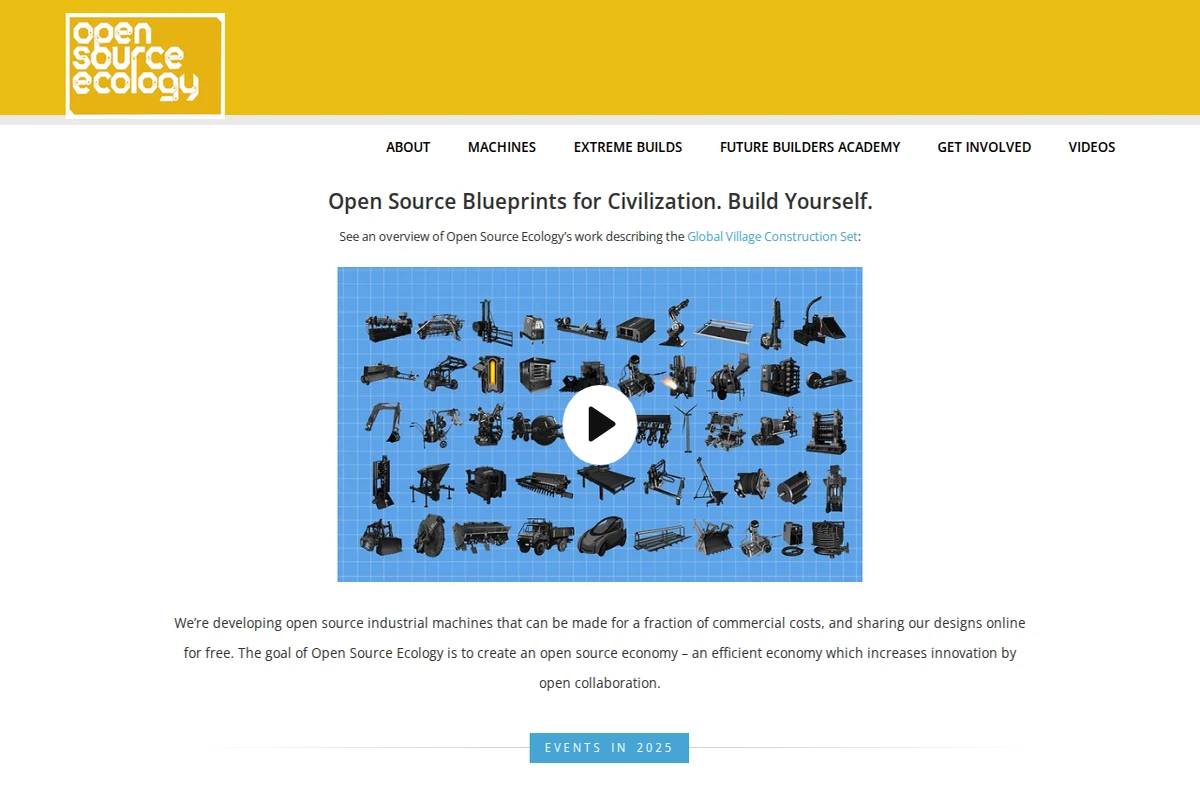
Open Source Ecology represents one of the most ambitious attempts to reimagine how we build our civilization. This Missouri-based organization is developing open source blueprints for 50 essential industrial machines that form the Global Village Construction Set — everything from tractors and 3D printers to wind turbines and brick presses. Their radical premise is simple: these machines can be built for a fraction of commercial costs when the designs are shared freely.
...
Pointer Pointer is one of those delightfully absurd web experiments that transforms the mundane act of moving your cursor into something unexpectedly magical. Created as a simple yet brilliant interactive art piece, the site maintains a vast database of photographs featuring people pointing in various directions and angles.
The magic happens when you move your mouse cursor anywhere on the black canvas — within moments, the site algorithmically selects and displays a photograph where someone’s finger points directly at your cursor’s exact position. The precision is remarkable, and the effect is both amusing and oddly satisfying. Each movement reveals a new person, a new gesture, a new moment frozen in time, all united by the simple act of pointing.
...
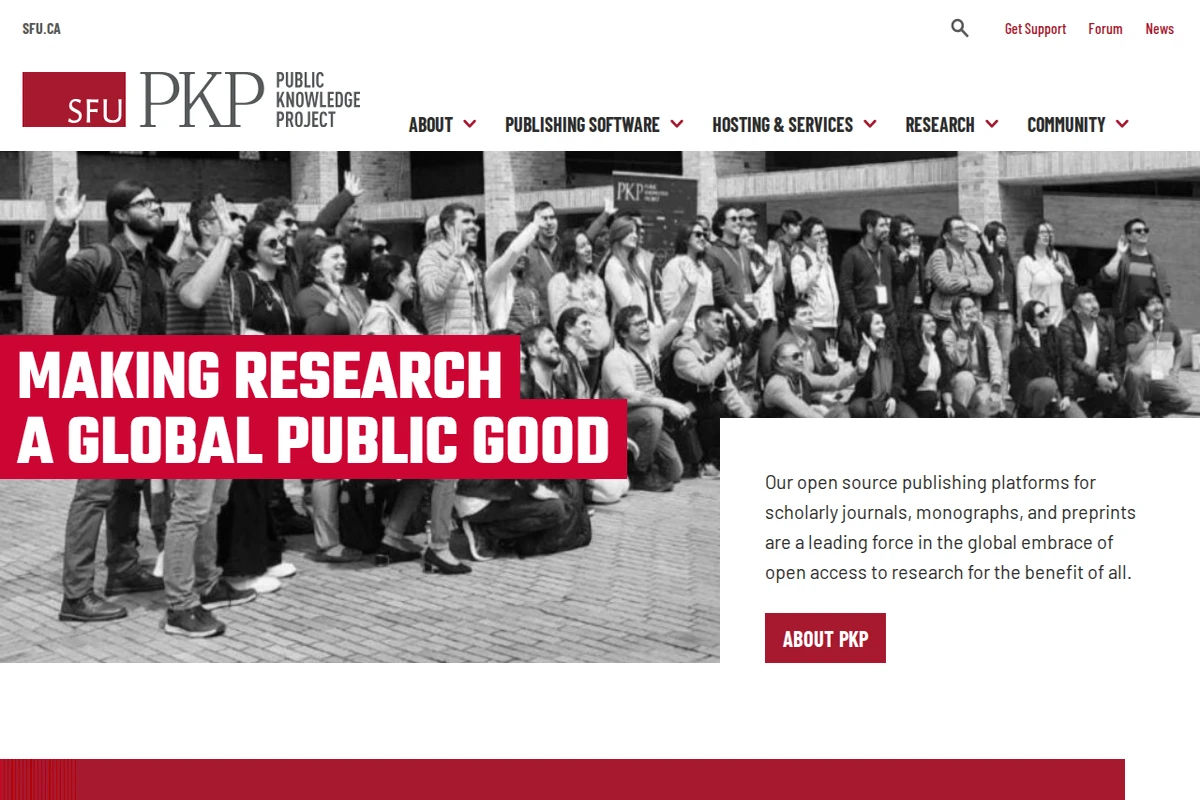
Public Knowledge Project - Open Source Academic Publishing
The Public Knowledge Project represents one of the most significant contributions to democratizing scholarly publishing in the digital age. This research and development initiative from Simon Fraser University has created an entire ecosystem of open source publishing platforms that power over 50,000 journals worldwide, making it a cornerstone of the global open access movement.
At the heart of PKP’s offerings are three powerful platforms: Open Journal Systems (OJS), the world’s most widely used journal management software; Open Monograph Press (OMP) for book publishing; and Open Preprint Systems (OPS) for preprint servers. What sets PKP apart is not just the robustness of their free software, but their comprehensive approach that includes hosting services, training, and ongoing research into scholarly communication practices.
...