A curated selection of unique, niche, and fascinating websites in both Polish and English.
Welcome to the Cogimator.net Web Directory – a curated space for exploring unique and often overlooked websites. This is not just another list of popular platforms, but a hand-picked collection of projects that stand out through originality, design, storytelling, or unexpected utility.
This web directory features experimental interactions, visual gems, educational treasures, and cultural initiatives from around the world – all documented with descriptions, tags, and direct links. The directory is bilingual, offering separate sections for Polish and English language content.
Check back often – new discoveries are added regularly.
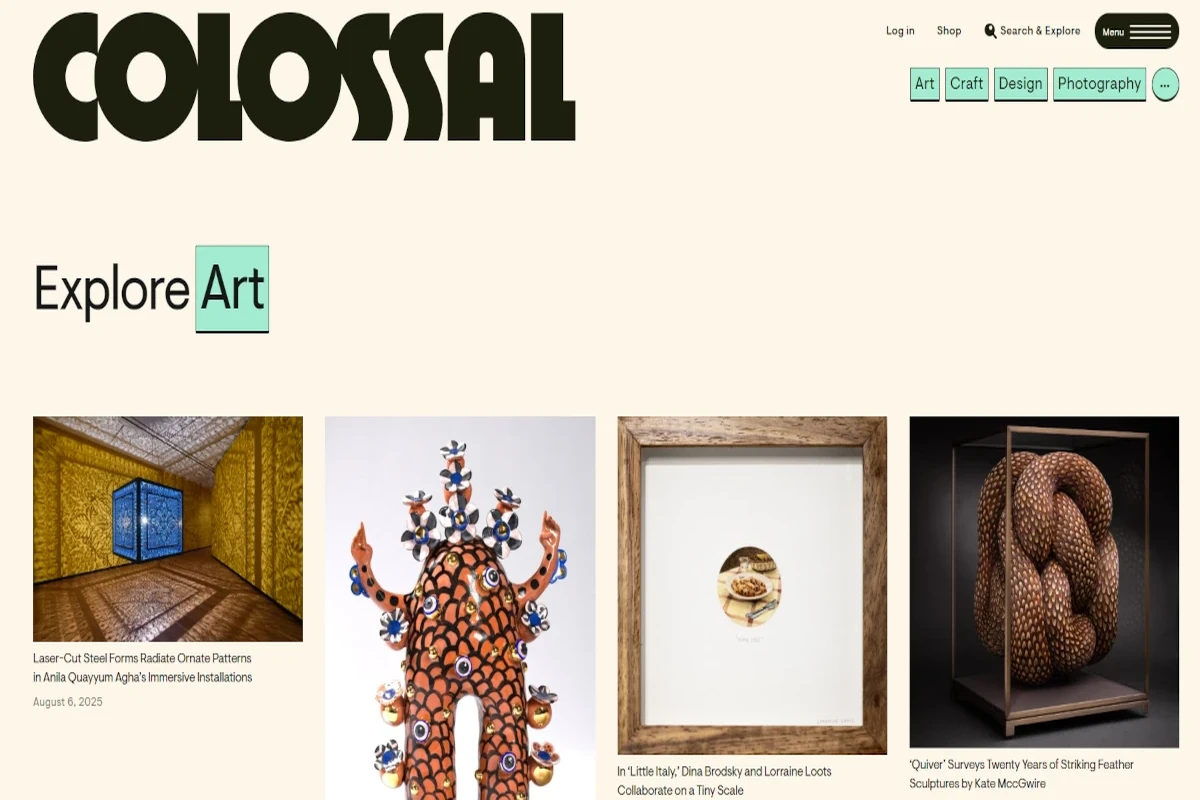
Colossal – art, photography, and creativity from around the world
🔗 Colossal is an independent portal that has been operating since 2010, publishing carefully curated content from the worlds of art, photography, design, and creative projects every day. The editorial team focuses on presenting creators – both established artists and niche authors – while avoiding sensationalism or excessive commercialization.
The site offers a diverse range of topics: from photo reports on exhibitions and art installations, through projects combining technology with traditional craftsmanship, to macro photographs of nature and biological structures. It also features unique handmade works, illustrations, and videos documenting the creative process.
...
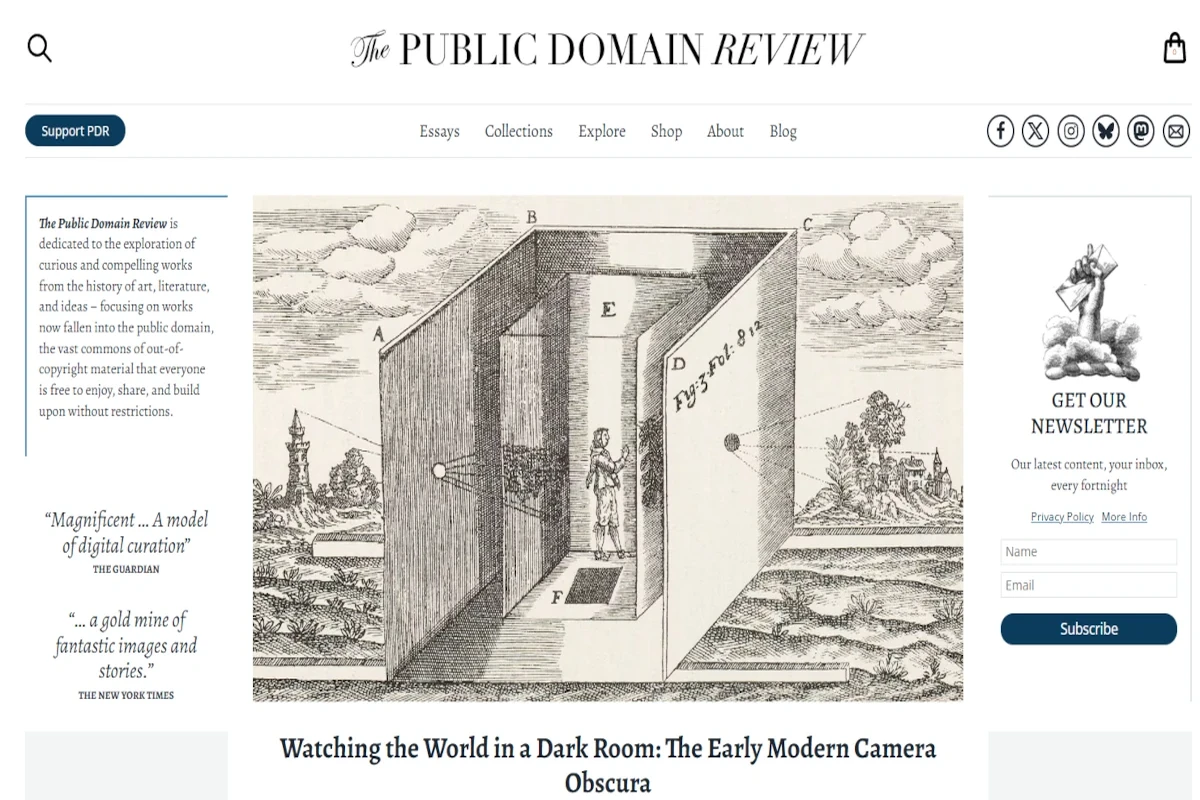
The Public Domain Review – an archive of culture in the public domain
🔗 The Public Domain Review is an online archive and magazine dedicated to works that have entered the public domain – from rare illustrations and maps, to forgotten literary texts, films, photographs, and audio recordings. Founded in 2011, the project is run by a non-profit organization with the mission of preserving, digitizing, and promoting cultural resources free from copyright restrictions.
The site combines the role of an archive with that of a content curator. The featured works are carefully described, often enriched with historical, artistic, and cultural context. Visitors will find both classic pieces by renowned artists and entirely forgotten works by anonymous creators.
...
Hundred Rabbits – Creating and Living Outside the Mainstream
🔗 100r.co
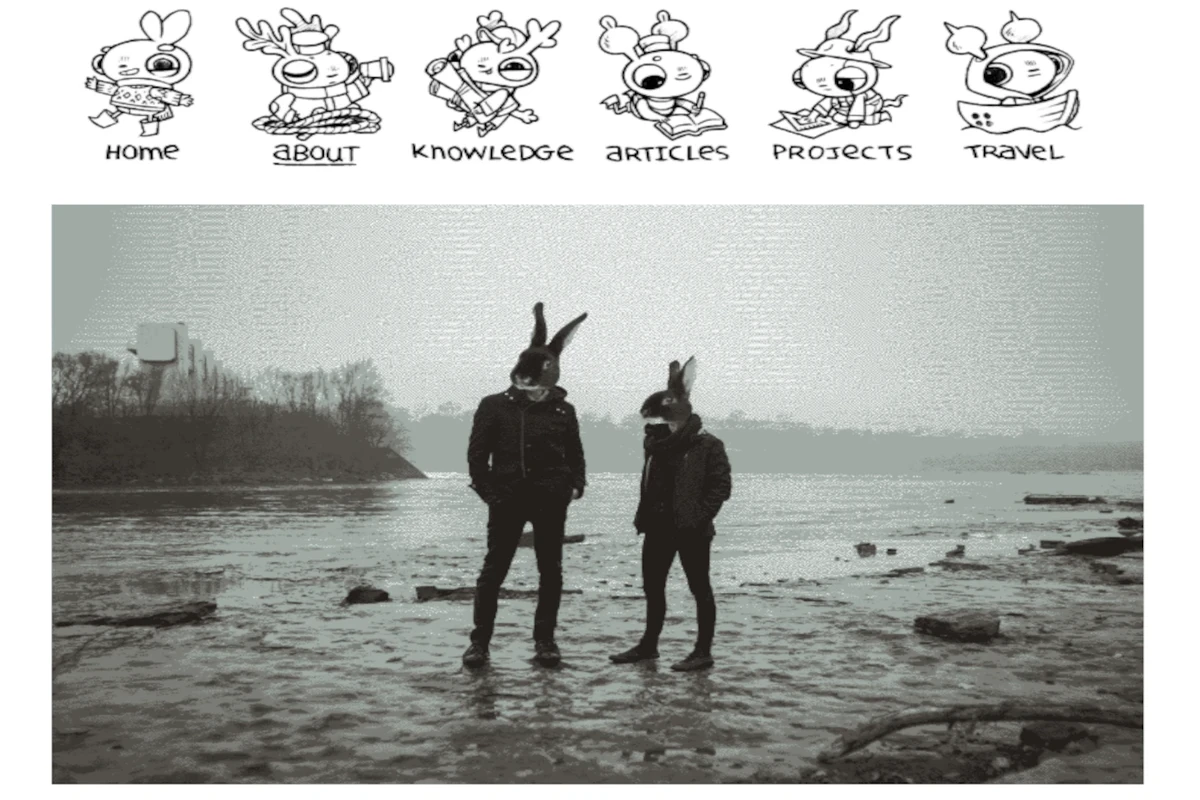
Hundred Rabbits (100r) is a radically unique digital project – an independent studio run by Rekka Bellum and Devine Lu Linvega, who live and work aboard a sailboat on the Pacific Ocean. Powered by solar panels and fueled by curiosity, they build tools, write essays, and publish reflections outside the gravitational pull of the tech industry.
Their website is a living archive of life off the grid – equal parts travelogue, laboratory, sketchbook, and philosophy zine. Highlights include:
...
Matt DesLauriers – Code as Material, Art as Algorithm
🔗 mattdesl.com
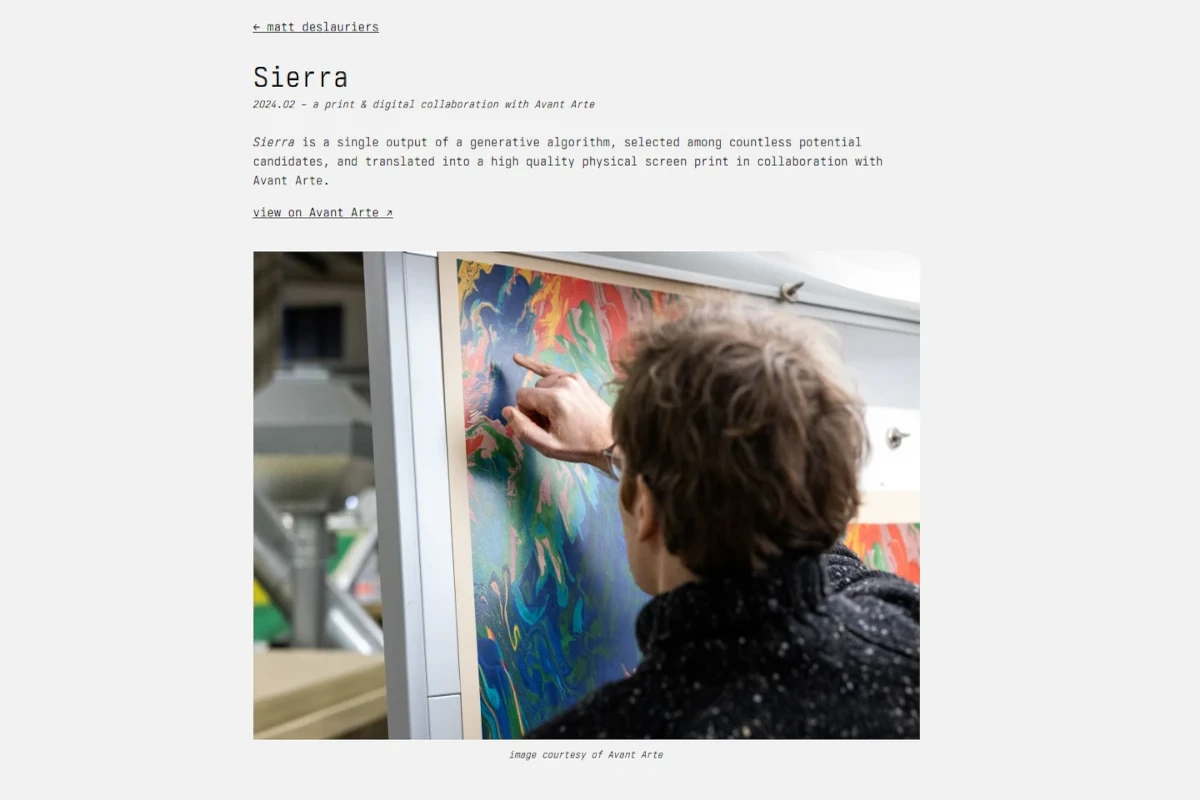
Matt DesLauriers’ website is a unique fusion of generative art, computer graphics, and low-level programming. Based in London, DesLauriers is both an artist and a developer, exploring the beauty of code through visual, interactive compositions powered by WebGL, GLSL, and JavaScript.
His site offers a rich gallery of browser-based visual experiments, showcasing real-time rendering techniques and shader-driven artworks. Each piece strikes a balance between mathematical abstraction and aesthetic intuition – whether it’s particle simulations, dynamic light effects, or procedurally drawn forms.
...
Robin Sloan – A Writer Who Codes, a Coder Who Tells Stories
🔗 robinsloan.com
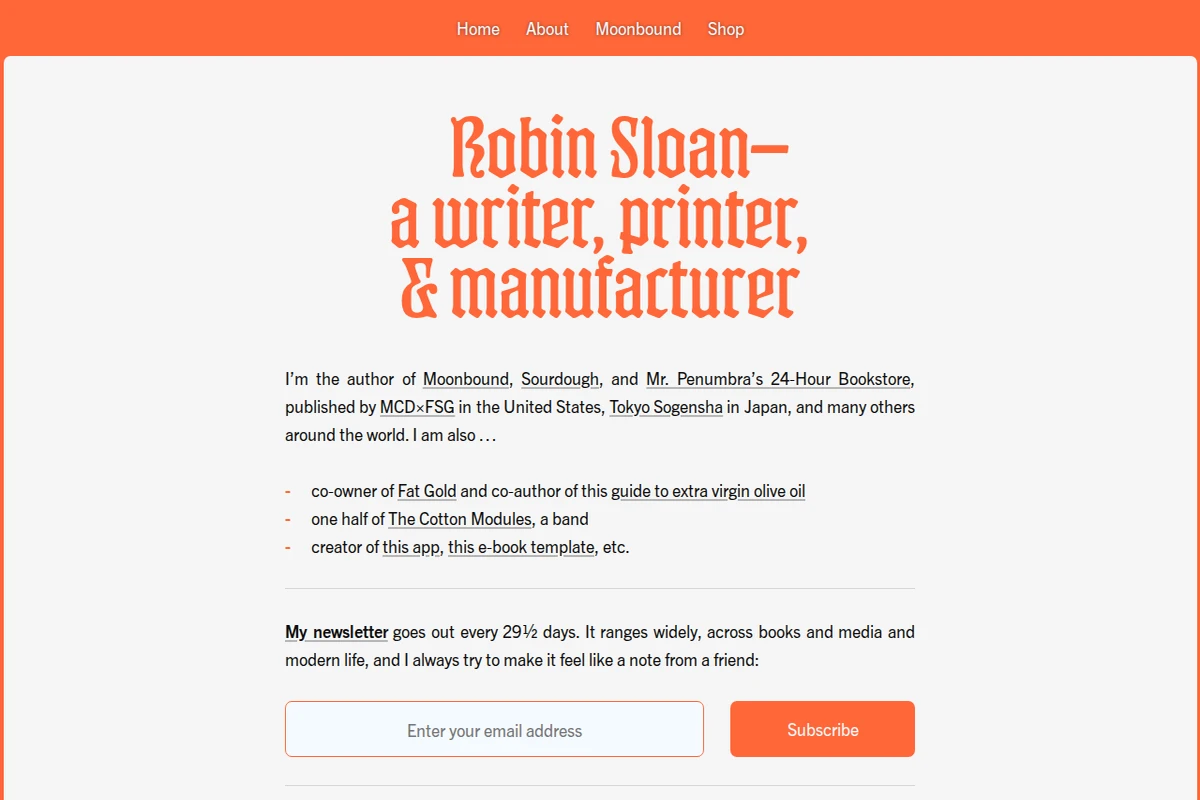
Robin Sloan is a writer who codes – and a coder who tells stories. Known for novels like Mr. Penumbra’s 24-Hour Bookstore and The Future Library, he runs his website as a digital storytelling laboratory.
This is not a standard blog or author page – it’s a living archive of ideas, short essays, fictional experiments, literary musings, and software prototypes. Some entries are tiny daily notes, others are full-length short stories, technical deep dives, or conceptual frameworks for new modes of storytelling.
...
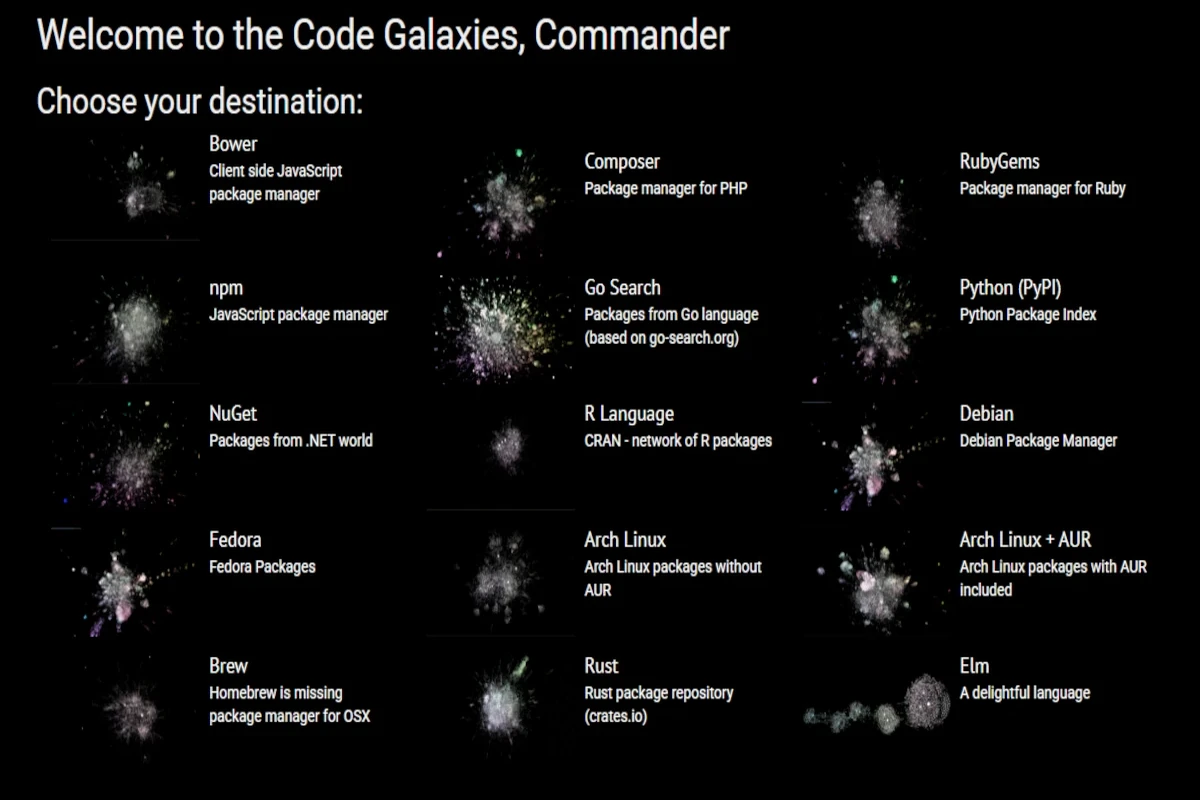
🔗 Anvaka’s Package Matrix is a mesmerizing web tool that turns the vast complexity of JavaScript dependencies into an interactive, explorable map. Whether you’re a seasoned developer or just curious about how the internet is built, this site offers a unique glimpse into the interconnected world of open-source packages.
The idea is simple yet powerful: enter the name of any npm package – like react, lodash, or chalk – and you’re instantly presented with a dynamic force-directed graph. Each node is a package. Edges represent dependencies. You can zoom, drag, rotate, and interact with the map in real-time.
...
Atlas of Economic Complexity – interactive map of global economies
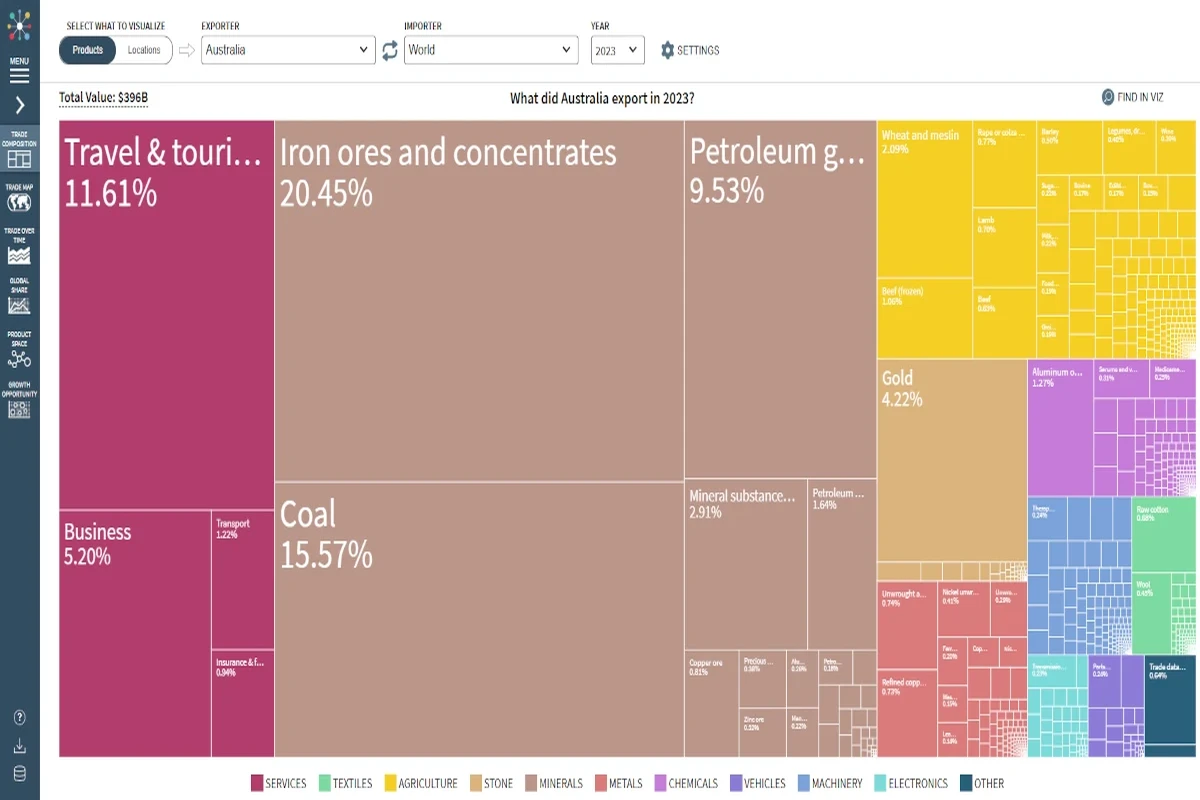
🔗 Atlas of Economic Complexity is an interactive data platform developed by the Center for International Development (CID) at Harvard University. It offers a sophisticated lens for examining how economies grow – not just through output or GDP, but by analyzing the complexity and diversity of what countries produce and export.
At its core, the Atlas is based on the Economic Complexity Index (ECI) – a metric that doesn’t simply measure how much a country exports, but how advanced and diversified those exports are. Nations exporting only raw materials typically score low, while those exporting specialized machinery, chemical compounds, or electronics achieve high complexity scores. The higher the ECI, the greater the latent capacity for sustained economic growth.
...
Musicmap – an interactive genealogy of popular music
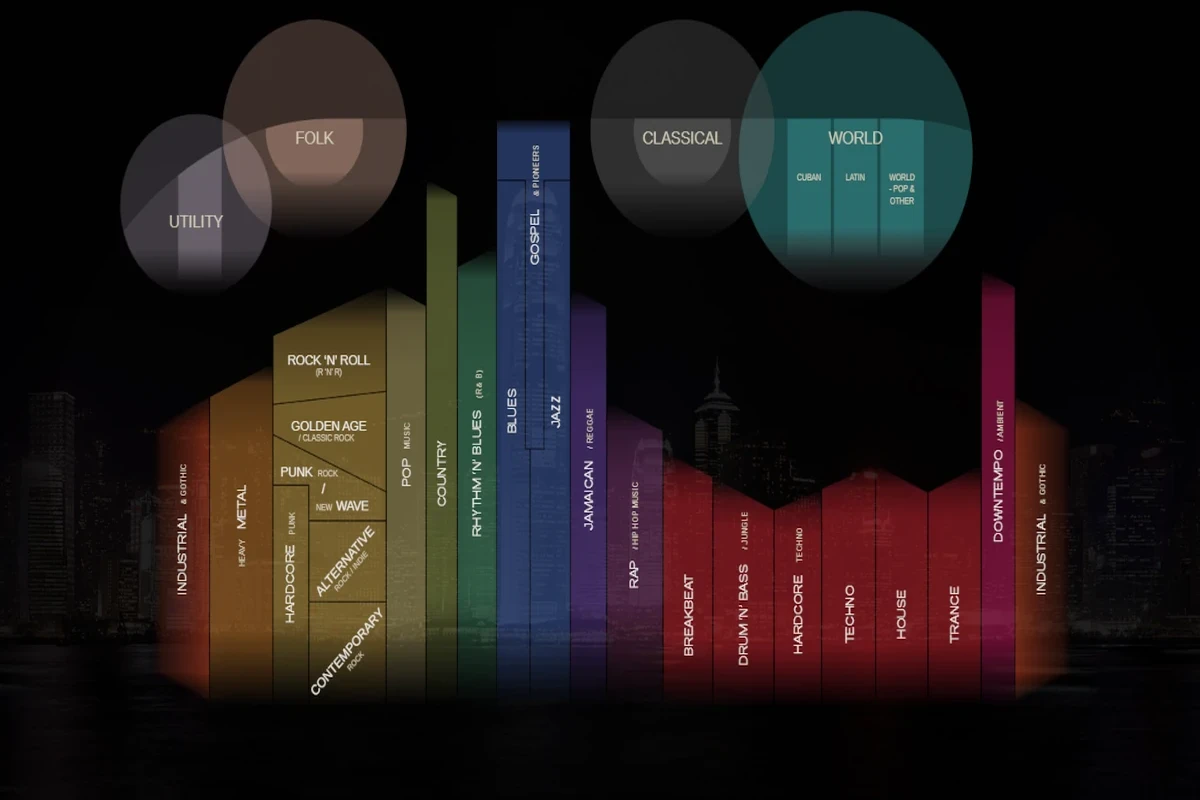
🔗 Musicmap is an extraordinary web project that charts the full evolution of modern popular music. Part encyclopedia, part timeline, part interactive network – it invites you to explore over a century of sonic development through structure, style, and cultural influence.
The project is the work of Kwinten Crauwels, a Belgian engineer who spent over ten years meticulously researching and building this map. It’s not backed by any major label or academic institution – instead, it’s a deeply personal yet public open-access knowledge system.
...
ExplainShell – Understand Shell Commands, Line by Line
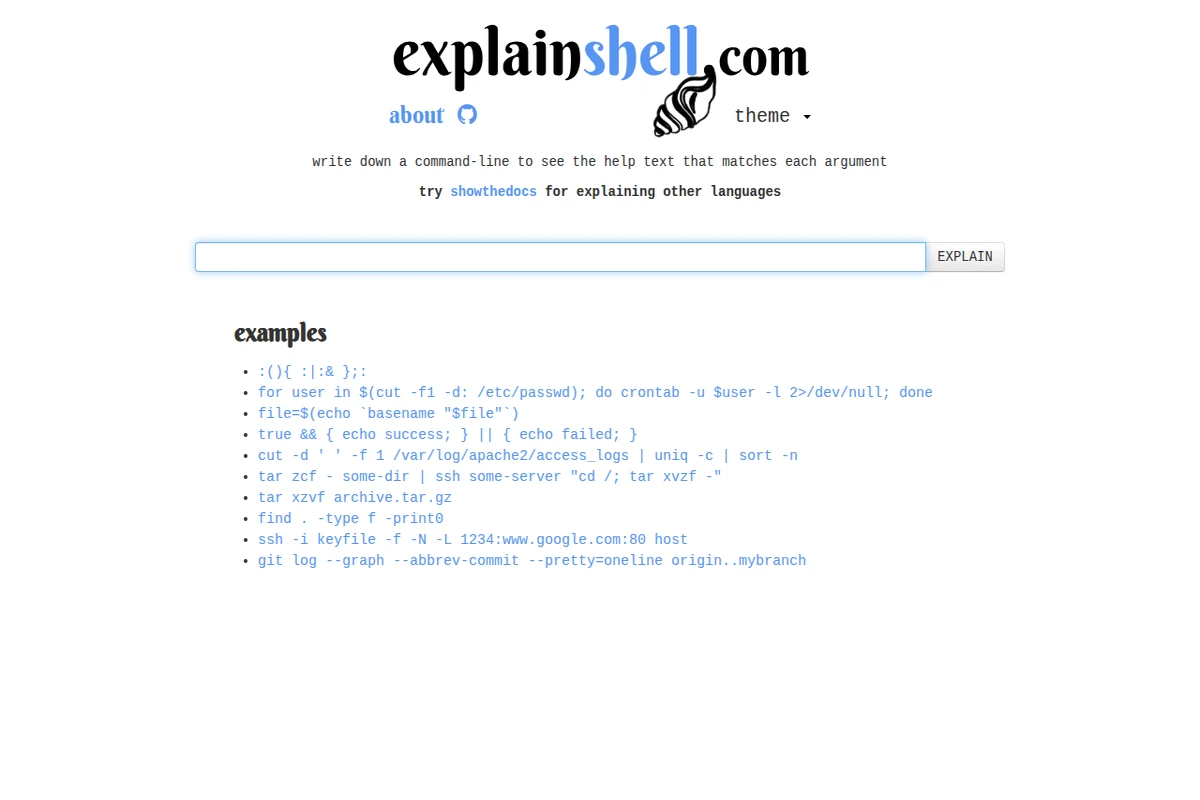
🔗 explainshell.com is a brilliant utility for anyone working with Linux or Unix shell environments. While basic commands like cd or ls are commonly understood, more advanced command-line expressions can quickly become cryptic. That’s where ExplainShell shines – helping you understand exactly what each part of a command does.
The interface is refreshingly simple: paste in any shell command (e.g., tar -xzvf archive.tar.gz or find . -type f -exec grep -H 'pattern' {} \;) and the tool immediately dissects it. It maps each argument, flag, and operator to documentation snippets pulled from real man pages. You don’t just get a general explanation — you see which part of the command corresponds to which official description.
...
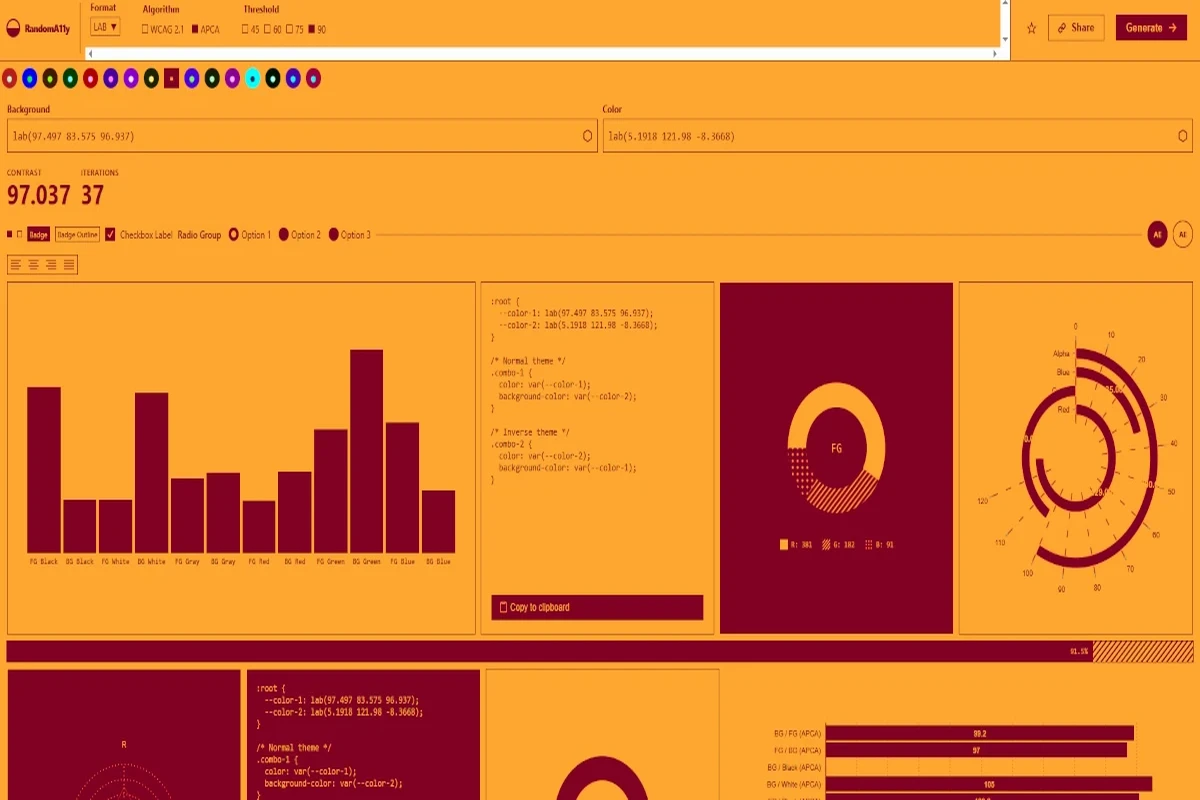
🔗 randoma11y.com is a surprisingly effective minimalist tool designed for web developers, interface designers, and accessibility advocates. Its main purpose is to generate random background/text color pairs that meet the WCAG 2.1 contrast ratio requirements, making them readable for people with visual impairments or low vision.
Upon each refresh, the site presents a new color combination, displaying both HEX values, the exact contrast ratio (e.g. 9.41:1), and a ready-made CSS snippet. Visitors can vote on whether the combination is good or bad, slowly building a kind of crowdsourced archive of aesthetically pleasing and functionally accessible color sets.
...